
Resources

Explore the pulse of n6, where innovation meets discovery. Whether you’re seeking the freshest news, upcoming webinars, or technical insights on our cutting-edge solutions, iconPCR and AutoNorm, you’ll find it all right here. Stay informed, inspired, and always one step ahead!
BlogLiteratureVideosPostersFAQs

Literature

Application Note

Sensitive cfDNA Sequencing at Scale: icon96™ Enables Precise PCR Control for Low-Input Liquid Biopsy Workflows

READ THE APP NOTE

Brochure

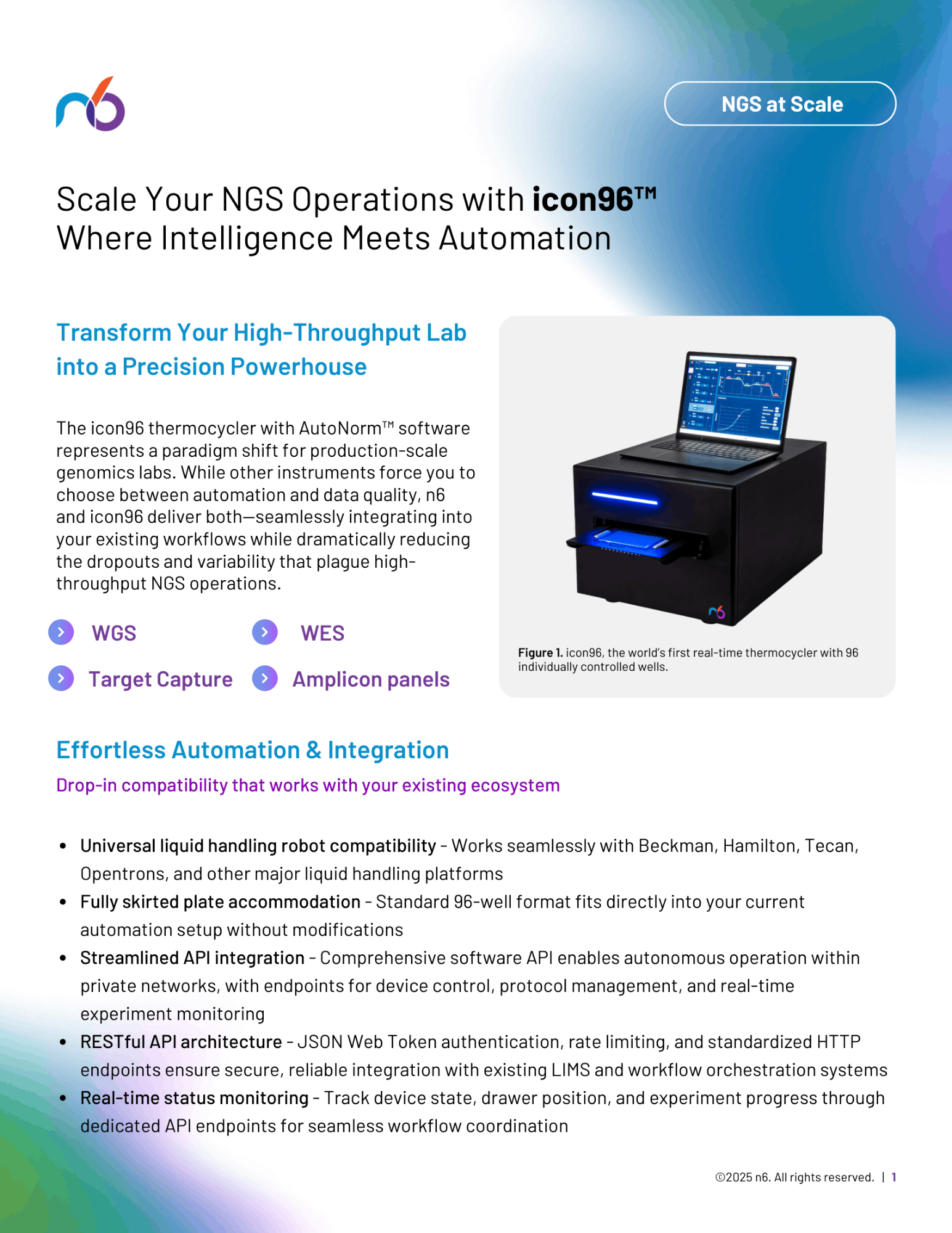
Scale Your NGS Operations with icon96™ Where Intelligence Meets Automation

Read the Brochure

Case Study

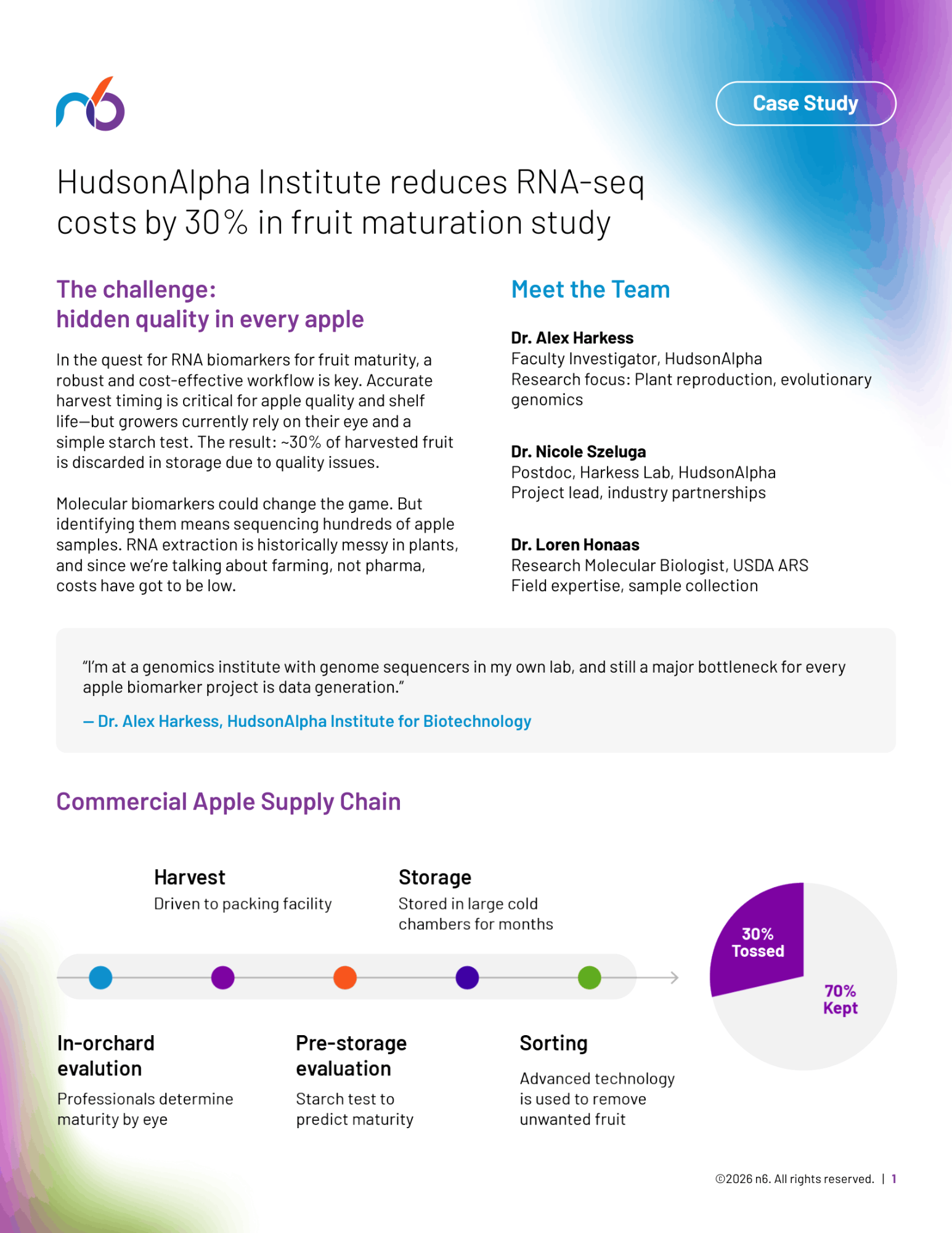
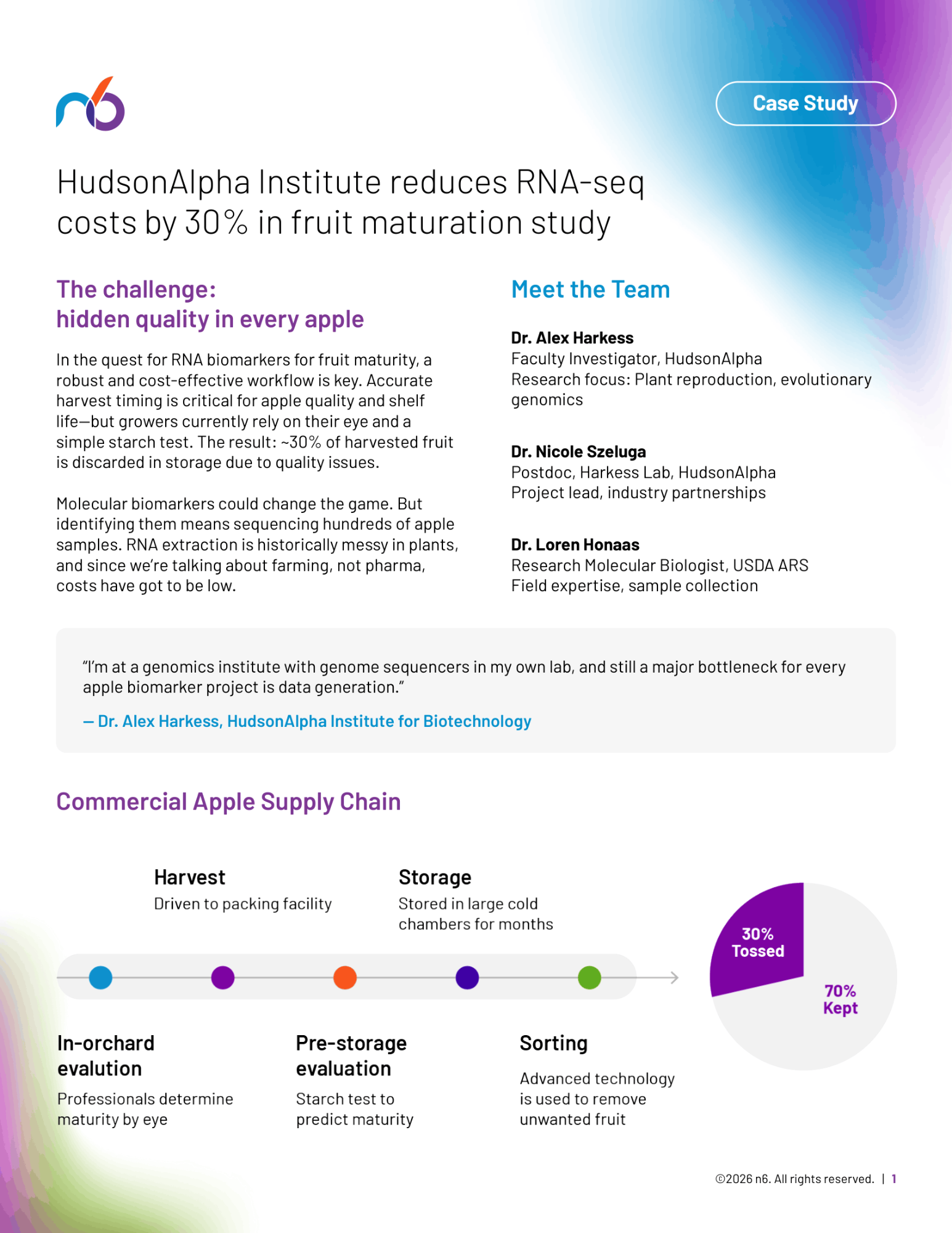
HudsonAlpha Institute reduces RNA-seq costs by 30% in fruit maturation study

Read the case study

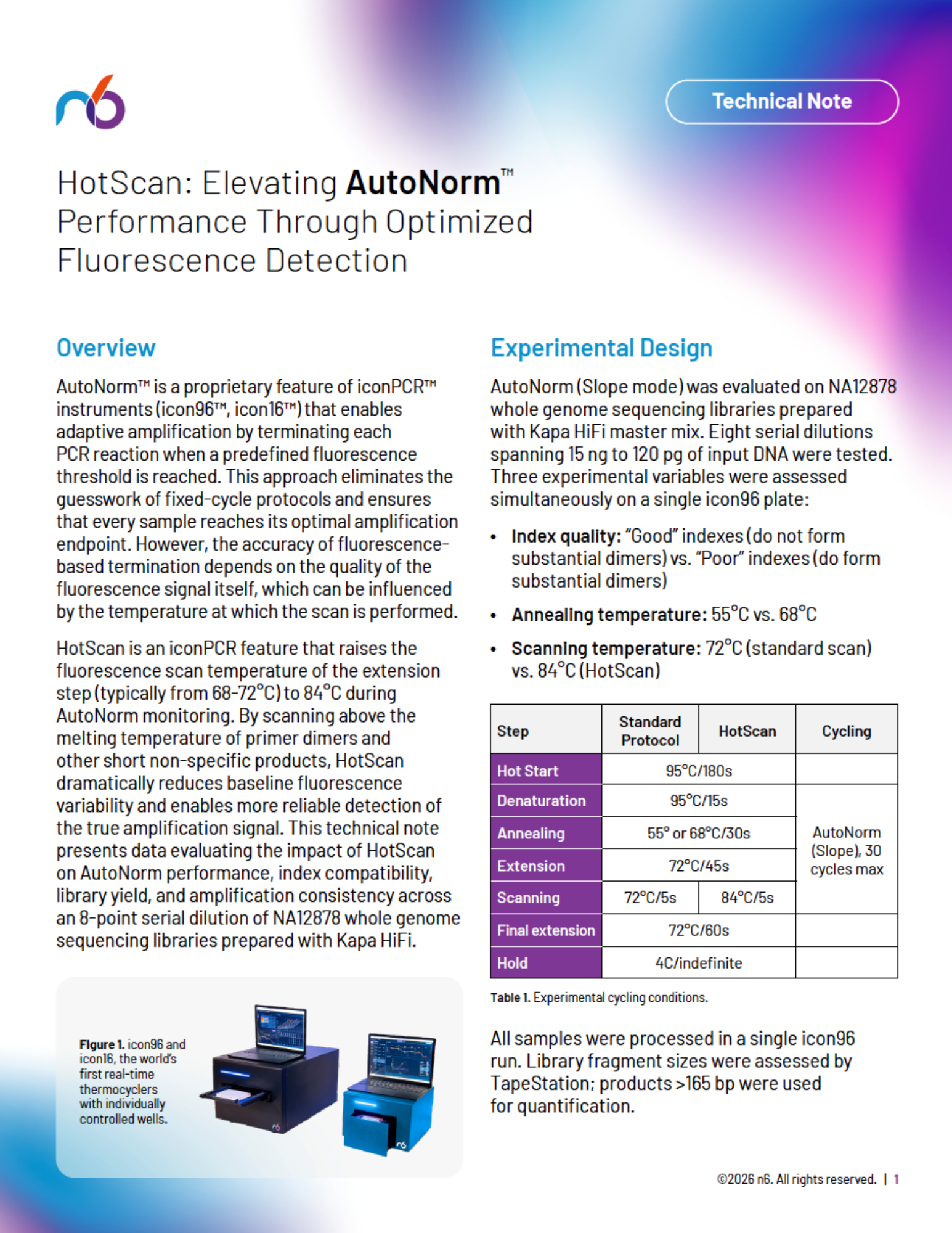
Technical Note

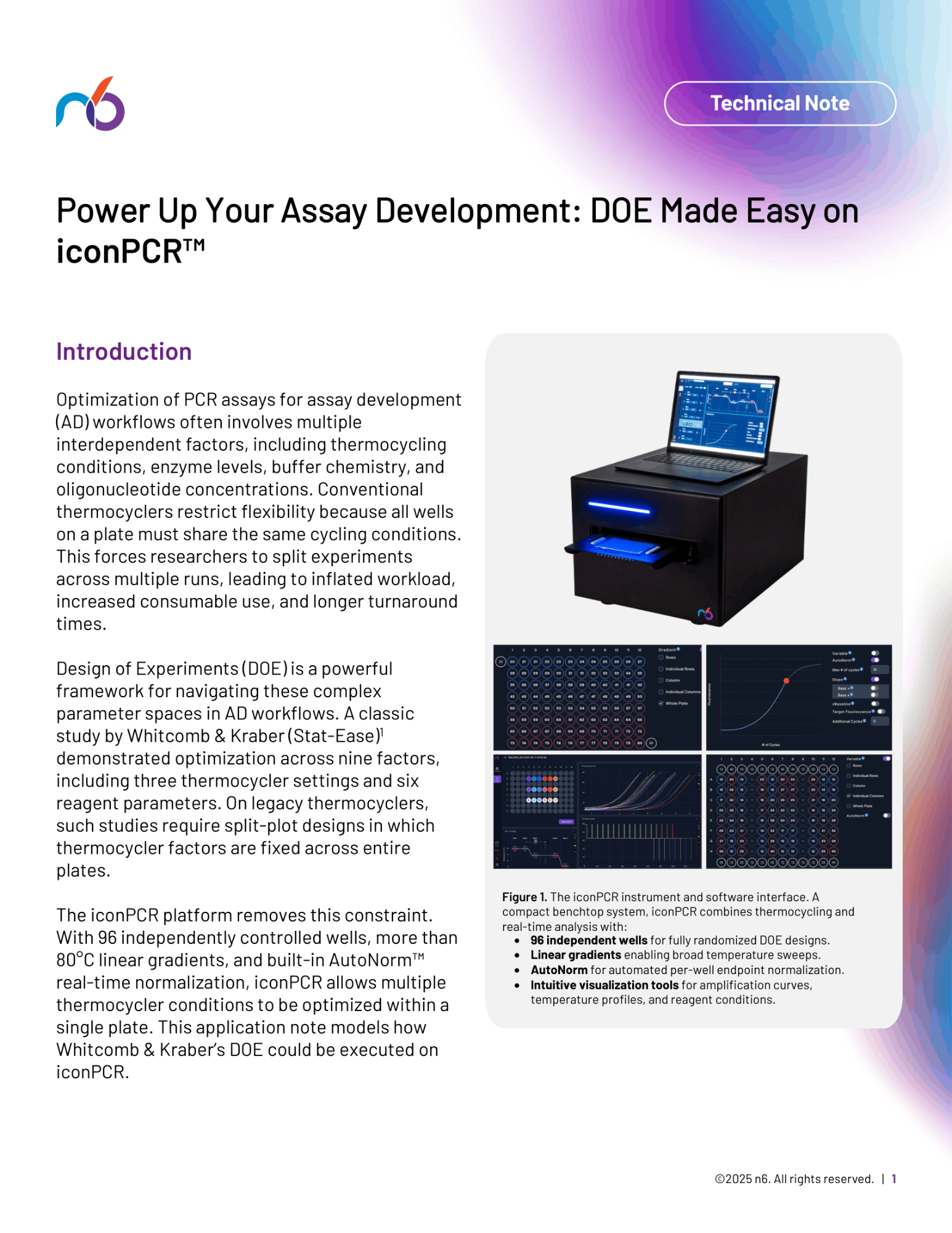
Power Up Your Assay Development: DOE Made Easy on iconPCR™

Read the tech note

Application Note

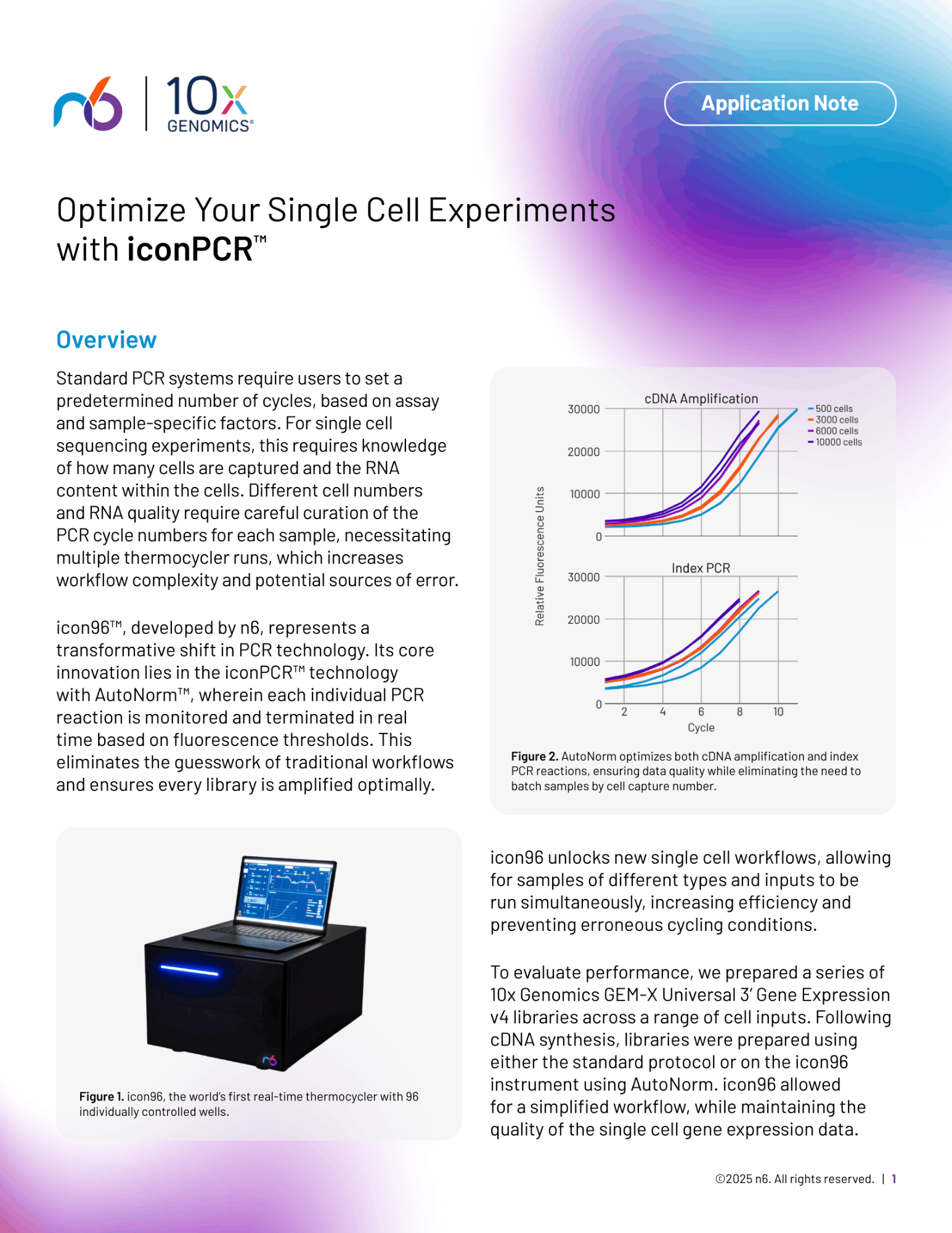
Automate Your Single Cell Experiments with iconPCR

Read the APp note

Application Note

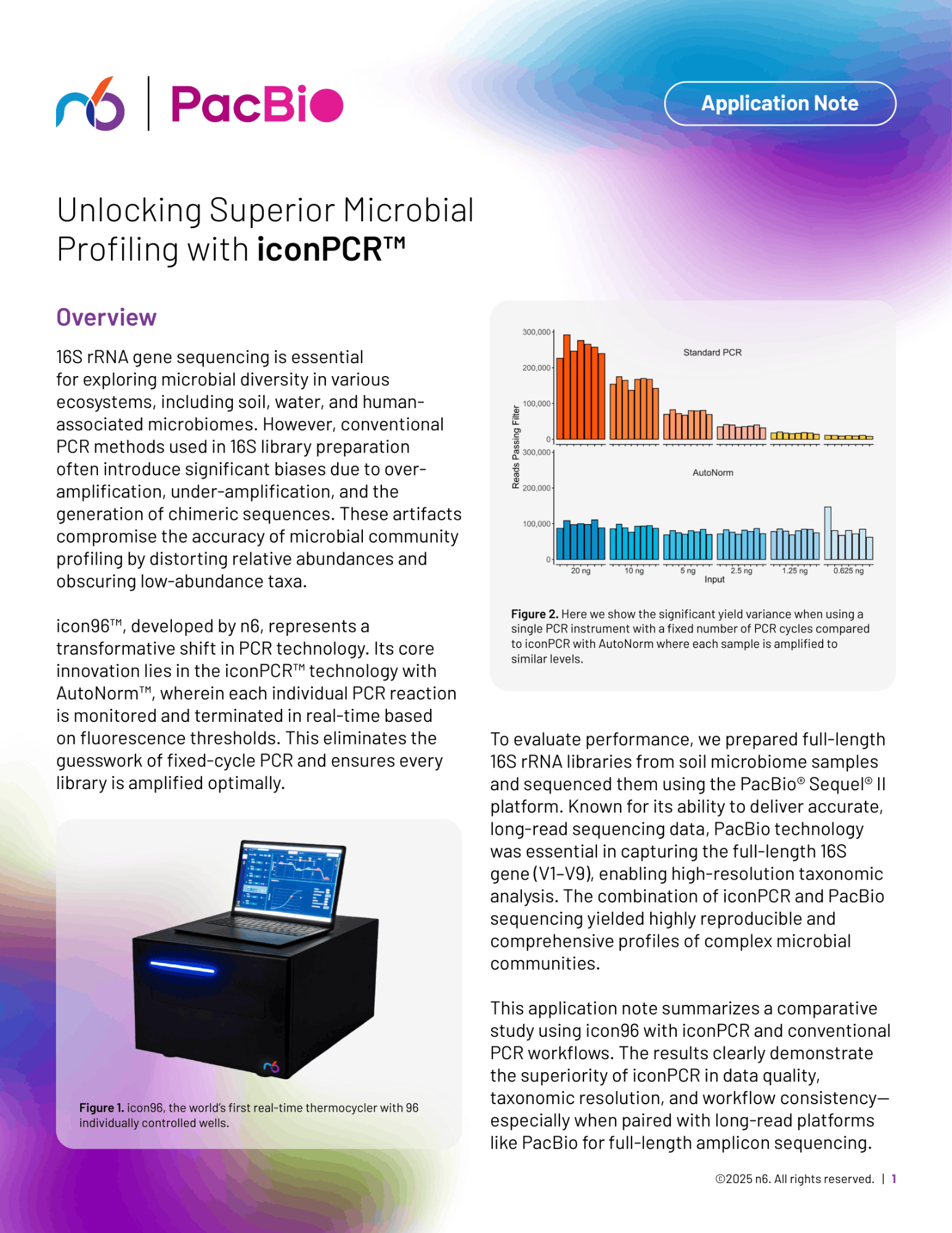
Unlocking Superior Microbial Profiling with iconPCR™

REAd the app note

Technical Note

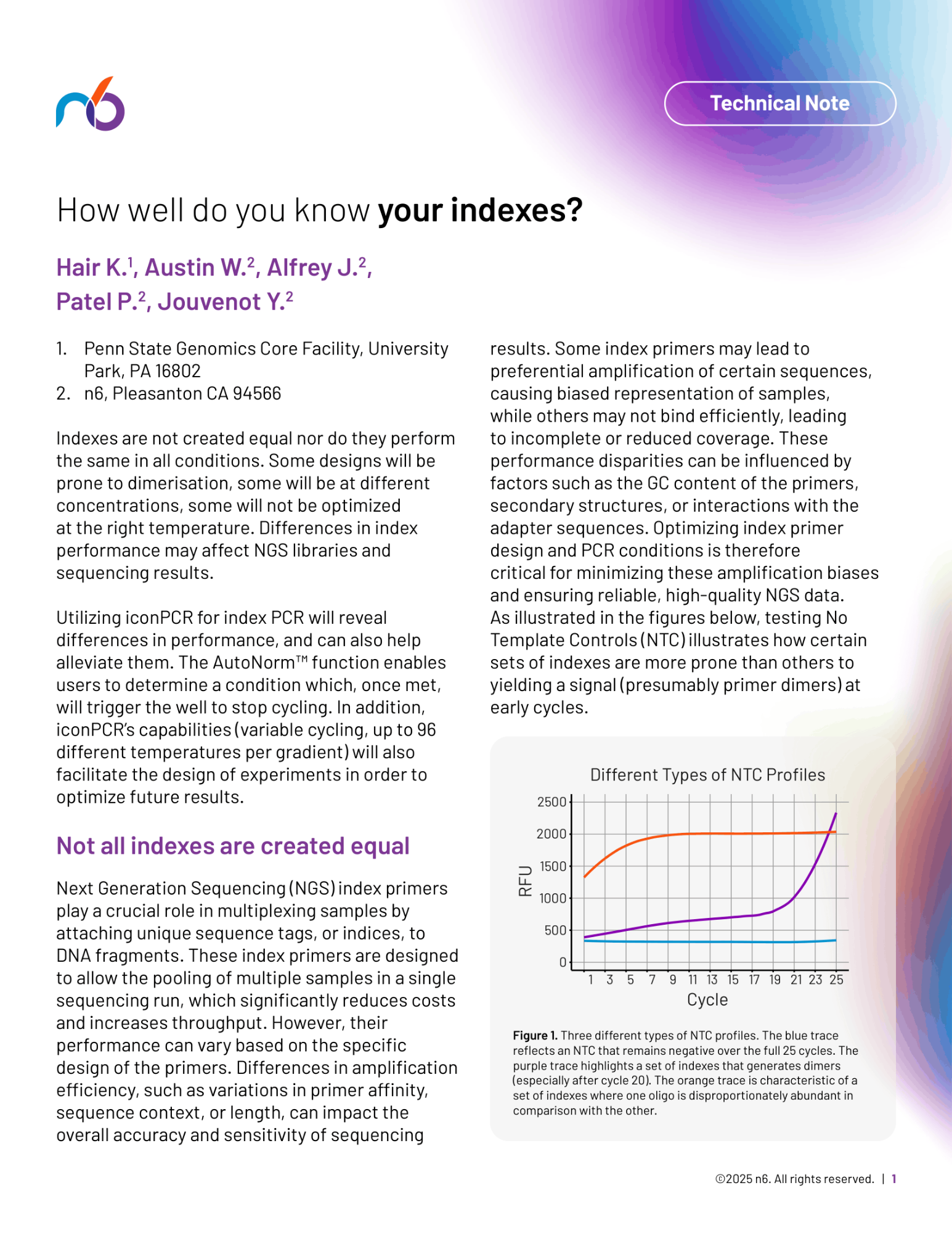
How well do you know your indexes?

Read the TECH note

Application Note

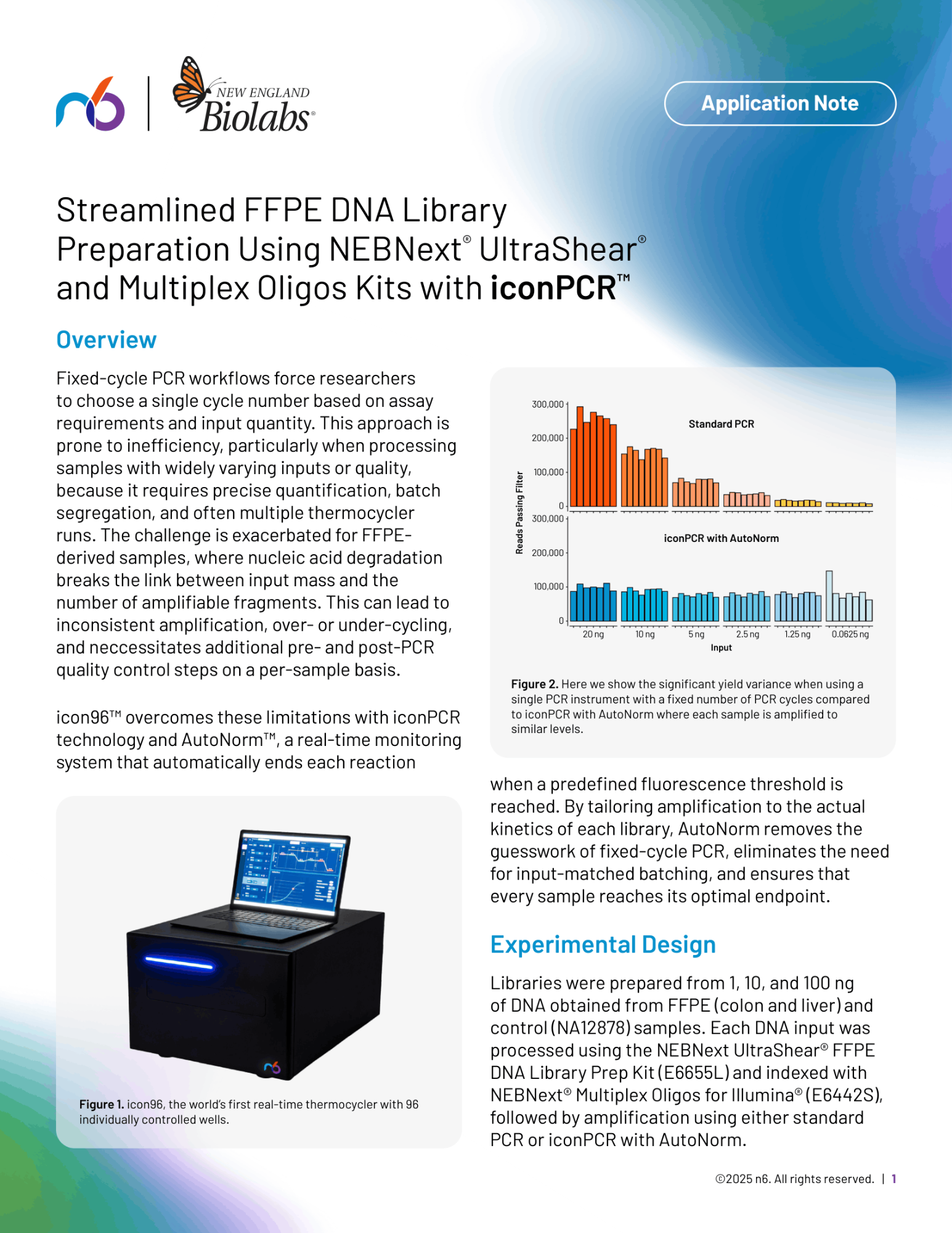
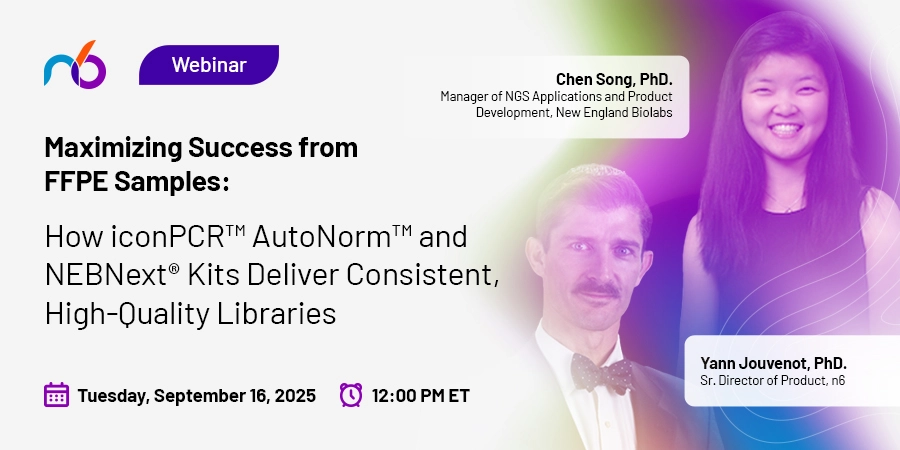
Streamlined FFPE DNA Library Preparation Using NEBNext® UltraShear® and Multiplex Oligos Kits with iconPCR™

READ THE APP NOTE

Application Note

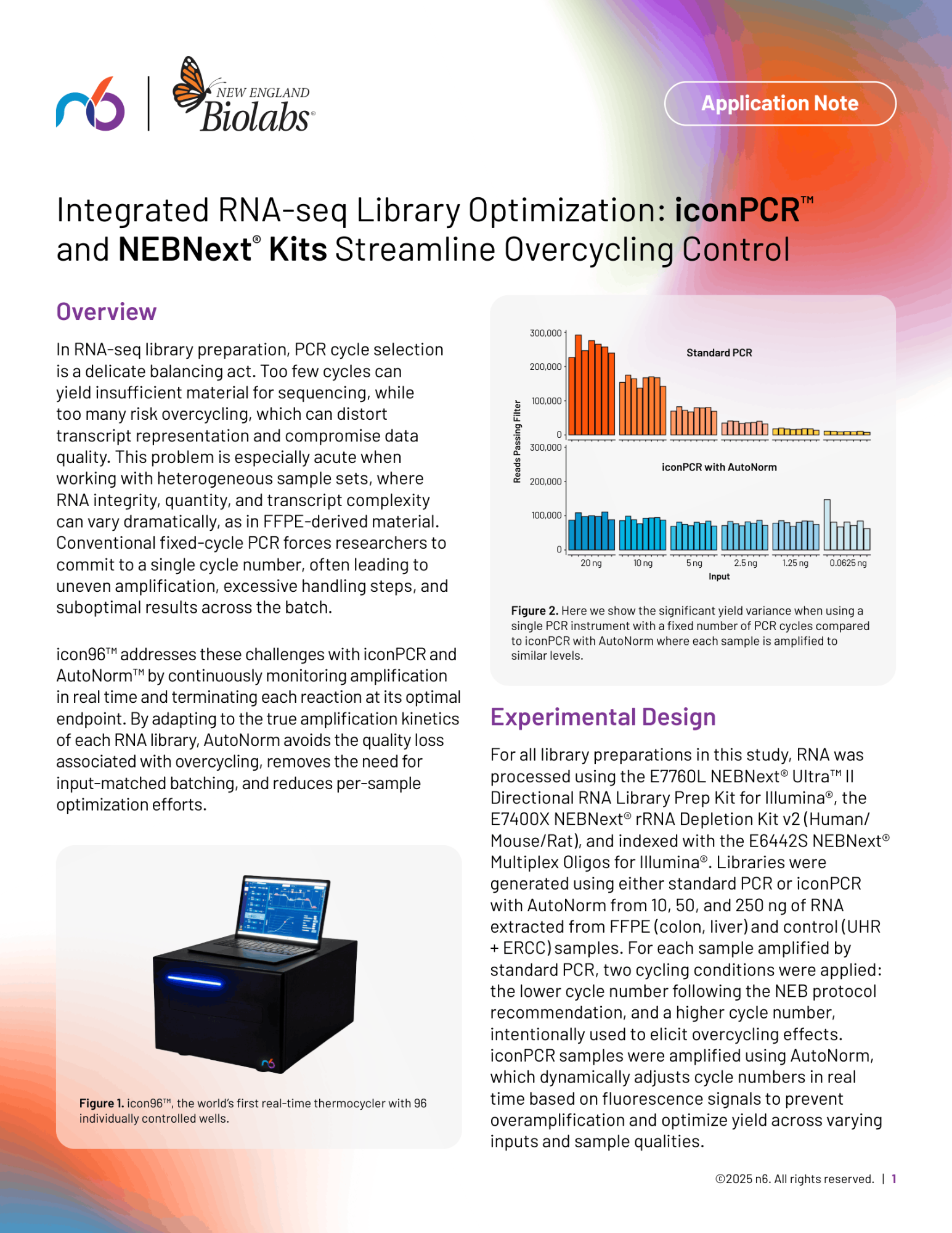
Integrated RNA-seq Library Optimization: iconPCR™ and NEBNext® Kits Streamline Overcycling Control

Read the APP note

Brochure

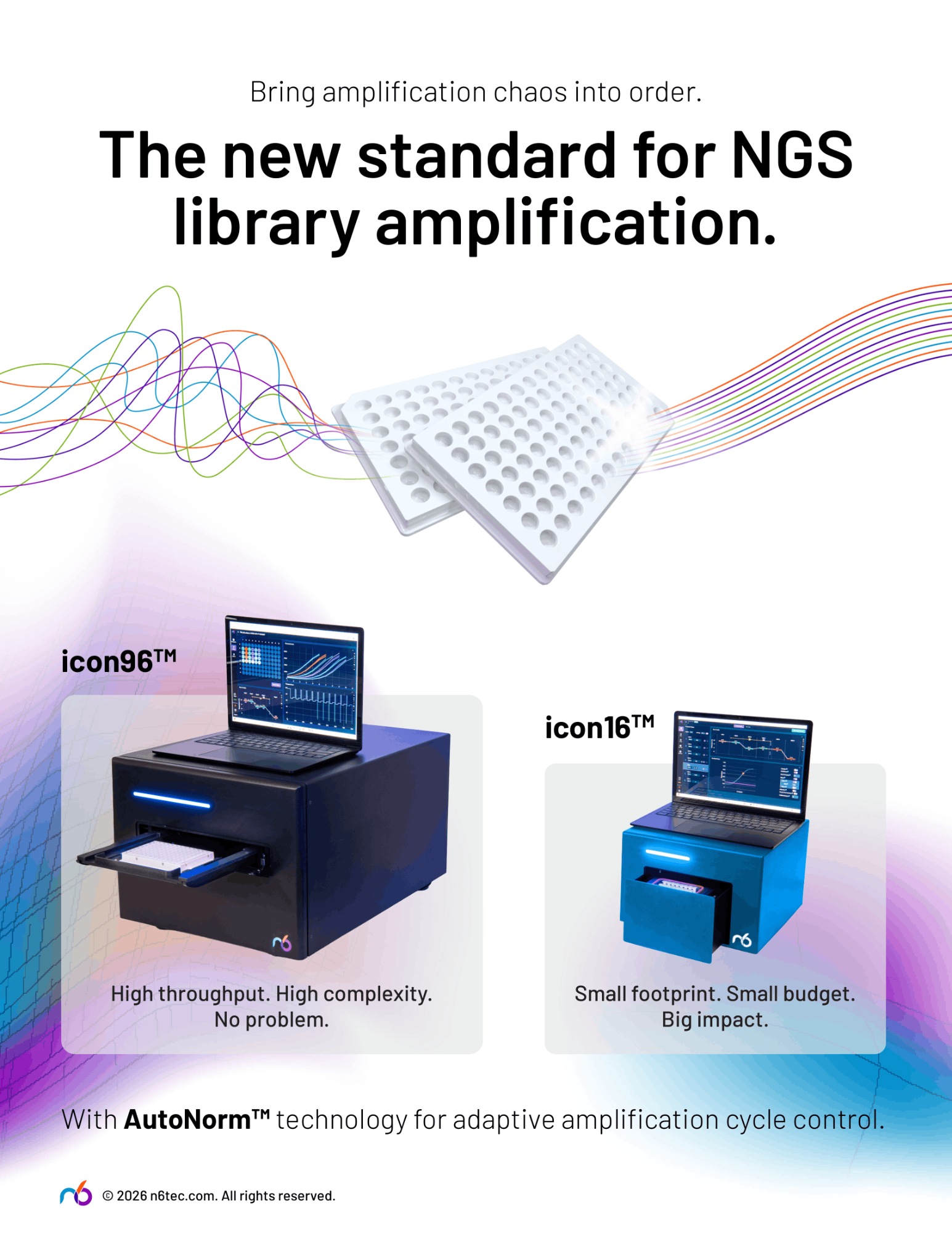
AutoNorm: The new standard for NGS library amplification

Download brochure

Application Note

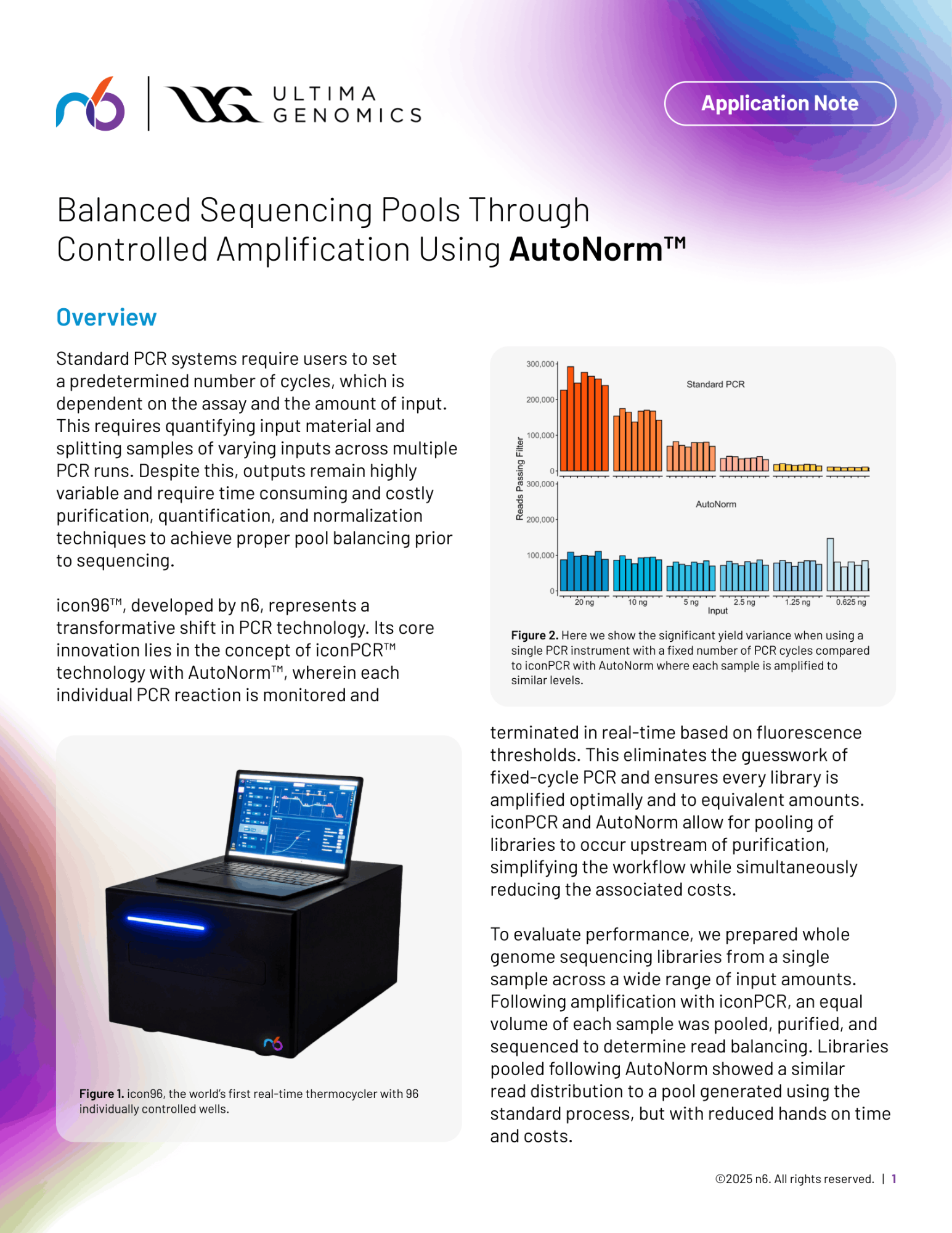
Balanced Sequencing Pools Through Controlled Amplification Using AutoNorm™

REAd the app note

Blog

You Can't Normalize Your Way Out of a Bad PCR in NGS Library Prep

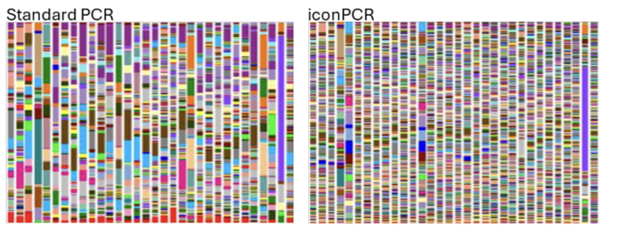
Why Library Quality Is Set During Amplification — Not After. Your sequencing pool looks perfect on the Bioanalyzer. Every sample reads at ~10 nM. The gel lane is clean. You're ready to load. But here's the uncomfortable truth: equal concentration is not equal information. A balanced pool built on over-amplified, complexity-collapsed libraries isn't a sequencing success — it's an expensive illusion.

Read more
Discoveries at the Margins: How iconPCR™ with AutoNorm™ is Transforming Amplicon and Microbiome Workflows at Penn State

Penn State genomics technologist Kerry Hair put iconPCR with AutoNorm through its paces — and uncovered a paradigm shift in amplicon sequencing, microbiome profiling, and index behavior. Discover what's hiding at the margins of your workflow.

Read more
Less Plastic. Less Waste. Better Genomics. How icon96 Is Built for the Sustainable Lab.

NGS library prep generates more plastic waste than most labs realize. Learn how icon96 and icon16 eliminate redundant workflow steps, reduce consumables by up to 95%, and help your lab go greener without compromising data quality.

Read more
2025: The year n6 went global (and maybe stole a few shows along the way)

Discover how n6's iconPCR with AutoNorm technology won Best New Product, expanded to 30+ countries, and partnered with genomics leaders in 2025's breakthrough year.

Read more
The Great NGS Library Normalization Showdown: Normalase vs Normalizer vs AutoNorm

Compare Normalase vs Normalizer vs AutoNorm for NGS library normalization. iconPCR™ eliminates separate normalization steps and prevents over-amplification artifacts—no beads, no math, no extra reagents needed.

Read more
The End of NGS Library Quantification: How iconPCR™ Eliminates the Bottleneck Nobody Talks About

iconPCR™ eliminates NGS library quantification, saving labs 20-40% prep time and $7-20 per sample. No qPCR plates, no normalization steps — just perfectly balanced libraries from PCR.

Read more
RNA-seq Peace of Mind: Tackling FFPE with iconPCR™, NEB, and AutoNorm™

When it comes to wrangling the wild world of RNA-seq library prep, especially for those notorious FFPE samples, n6 gets it—science is demanding, but your workflow can be less so. That’s why pairing NEB kits with the n6 iconPCR 96-well thermocycler and AutoNorm technology is a match made for sequencing success.

Read more
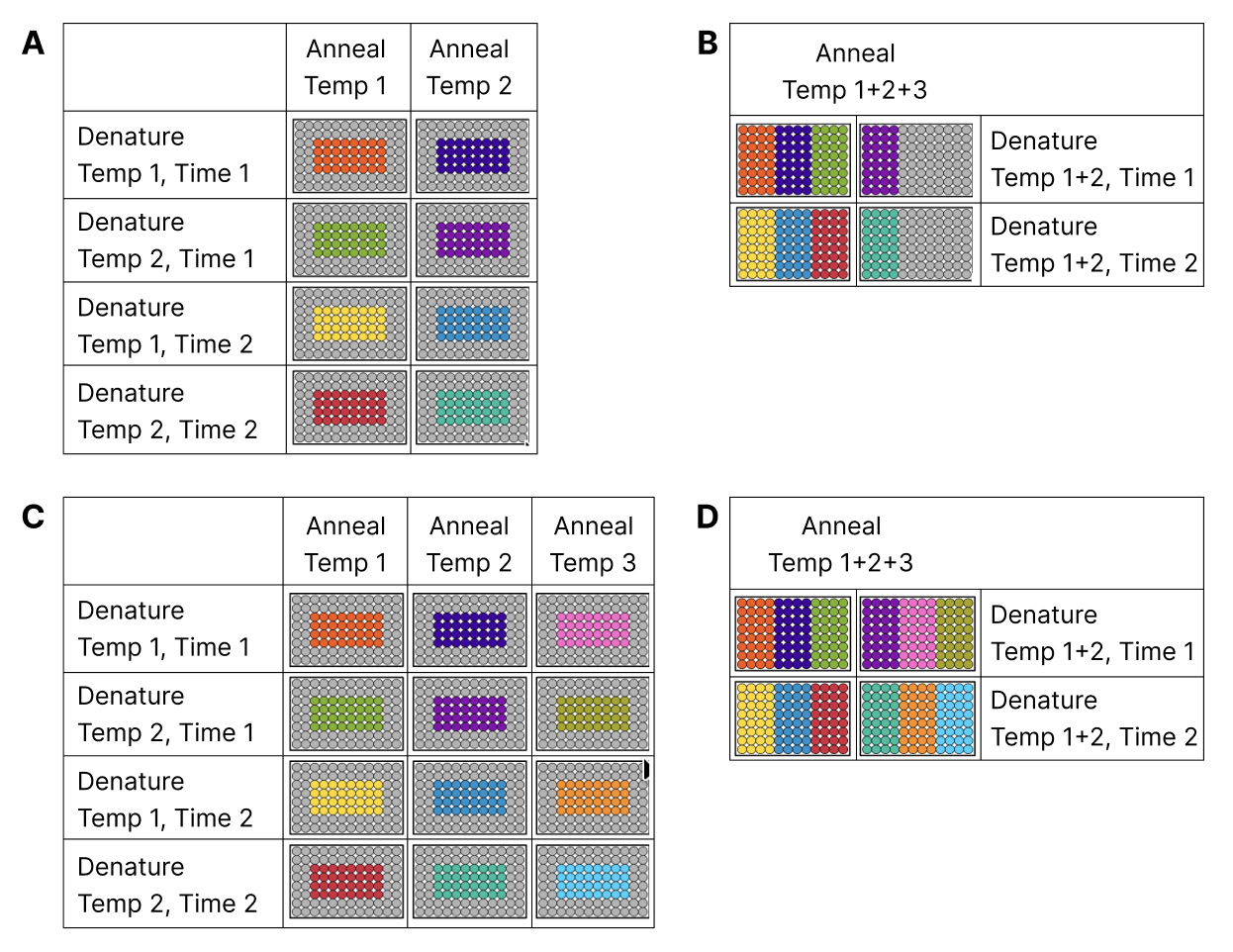
Power Up Your Assay Development: DOE Made Easy on iconPCR™

Assay development is at the core of scientific discovery in genomics, diagnostics, and life science. Yet, optimizing PCR workflows has always meant battling with split-plot constraints, endless thermocycler runs, and mountains of consumable waste. If you’re seeking a game-changer for your lab, it's time to meet iconPCR with AutoNorm™—the benchtop thermocycler reimagined by n6 for the next-generation scientist.

Read more
Precision in Every Well: How iconPCR™ Is Transforming NGS Library Prep and Metagenomics

The landscape of metagenomics and microbiome research is evolving at breakneck speed. As sequencing technologies improve and the demand for high-resolution, bias-free microbial data grow...

Read more
The iconPCR™ Advantage: Streamlining NGS with a Focus on Low Input and Artifact Reduction

In the rapidly evolving field of genomics, advancing technology continues to redefine research capabilities...

Read more
The real cost of NGS failure: Throwing away a car and how n6 is finally fixing it

When a next-generation sequencing run fails, it's not just a minor laboratory setback. It's the cost of a new car—literally. With all-in costs ranging from $30,000 to $120,000 from sample to answer on platforms like Illumina's...

Read more
Goldilocks for Genomics: How AutoNorm and iconPCR Make NGS Library Normalization “Just Right”

When it comes to NGS library prep, there’s one step that can make or break your sequencing run: NGS library...

Read more

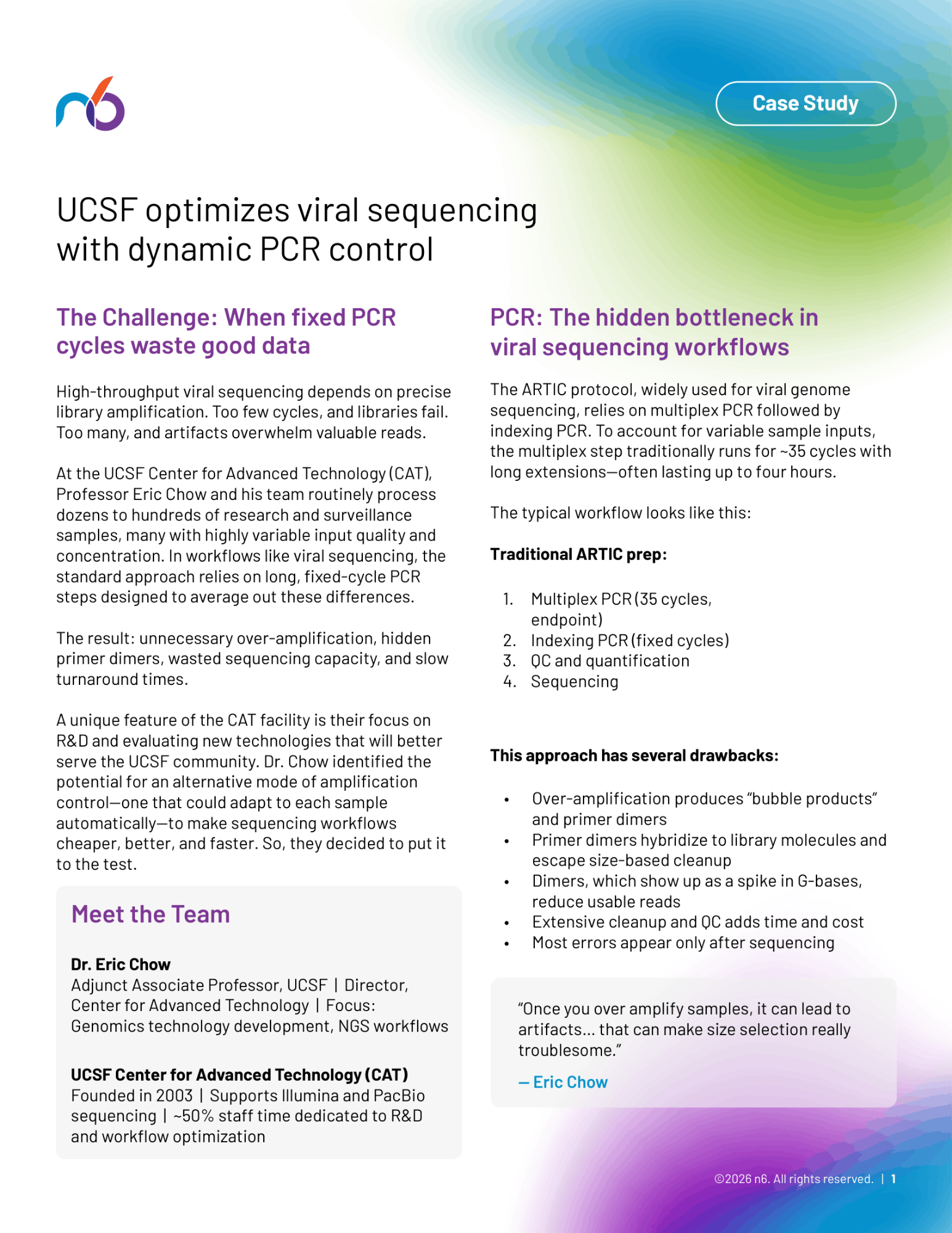
The iconPCR™ Effect: From PCR Puzzles to Genomic Joyrides at UCSF

Welcome to the wild world of genomics, where science meets serious problem-solving—and plenty of innovation. The Center forAdvanced Technology (CAT) at UCSF...

Read more

Case Studies

Case Study

HudsonAlpha Institute reduces RNA-seq costs by 30% in fruit maturation study

Read the case study

Publications

bioRxiv

Cryptic Insect Microbiome Compositions Unveiled with Full-Length 16S Sequencing

Geib, S. et al. (2026)

See details

bioRxiv

Using carrier DNA in ultra-low input library preparations for next-generation sequencing

Green, S. et al. (2026)

See details

bioRxiv

Applying PCR cycle autonormalization to improve PacBio full-length 16S rRNA sequencing

Mason, C.J. et al. (2026)

See details

bioRxiv

The use of iconPCR for 16S library preparation improves data quality and workflow

Jouvenot, Y. et al. (2024)

See details

Videos

Posters

ABRF 2026

High throughput DNA quantification using the icon96™ instrument

Jouvenot Y, Austin W, Arrastia M, Patel P.
n6, Pleasanton, California, 94566

view poster

SLAS 2026

Evaluation of iconPCR™ Technology for Normalization of truCOVER® DNA Libraries from FFPE DNA

Sushant Khanal1, Yann Jouvenot2, Vanessa Process1, Alaina Villarreal1, Luca Beker1, Kelly Buckman2, Martina Werner1, & Ulrich Thomann1
1) Covaris LLC, Woburn, MA, USA 2) n6, Pleasanton, California, USA

view poster

SLAS 2026

Adaptive Normalization of Small RNA Libraries Using the icon96™ System and NEXTFLEX™ Small RNA-Seq v4 Chemistry

Jouvenot Y1, Austin W1, Echave P2, Law W2, Obermoeller D2, Patterson S2
1) n6, Pleasanton, California, 94566 2) Revvity, Waltham, MA, 02451

view poster

PAG 2026

Leveraging icon96™ to Enhance NGS-Based Biomarker Discovery for Optimizing Harvest Timing in Apple Cultivars

Austin W1, Szeluga N2, Jouvenot Y1, Hargarten H3, Ortiz-Uriarte B3, Haase A3, Haskell C4, Honaas L3, Harkess A2, Patel P1

1) n6, Pleasanton, California 2) HudsonAlpha Institute for Biotechnology, Huntsville, AL 3) USDA ARS, Wenatchee, WA 4) Washington State University, Pullman, WA

view poster

ASHG 2025

AutoNorm™ of FFPE NGS Libraries Using iconPCR™ Technology Reduces Dropouts and Workflow Complexity

Austin W, Jouvenot Y, Patel P n6, Pleasanton, California, 94566

view poster

ASHG 2025

Real-Time AutoNormalization™ of NGS Libraries: Overcoming Index and Sample Variability with iconPCR™

Jouvenot Y, Austin W, Patel P n6, Pleasanton, California, 94566

view poster

Cancer Genomics Consortium Annual Meeting 2025

Enhanced Data Quality and Simplified NGS Workflows of FFPE Samples Using iconPCR™ with AutoNorm™

Austin W, Jouvenot Y, Patel P n6, Pleasanton, California, 94566

view poster

AGBT 2025

High Throughput Library Preparation Enhancements for Genotype by Sequencing using Low Pass Whole Genome Screening in Animal and Plant Studies

Jouvenot Y, Patel P n6, Pleasanton, California, 94566

view poster

AGBT 2025

Ultra-High Throughput Library Prep for High Quality, Large-Scale using Ultima Genomics & iconPCR Driving Down the Cost, Scaling Up the Sample Volume, Production-Scale Sequencing

Jouvenot Y, Patel P n6, Pleasanton, California, 94566

view poster

AGBT Ag 2025

16S Workflow and Data Quality Improvements Using iconPCR Demonstrates Higher Biological Resolution from Metagenomic Soil Samples

Brett Hale1, Caroline Obert2, Kyle Metcalfe2, Andrew Boddicker2, Marielle Krivet2, Junhua Zhao2, Tuval Ben-Yehezkel2, Pranav Patel3, Yann Jouvenot3, Wes Austin3, Gagneet Kaur3

1) AgriGro, Inc, Doniphan, MO, USA 2) Element Biosciences, San Diego, CA3) n6, Pleasanton, CA

view poster

Frequently Asked Questions

Get answers to common questions about iconPCR™ technology, AutoNorm™, and how our platform can streamline your NGS workflow.

Getting Started

Do I need new library prep kits to use icon96 or icon16?
+
No. Both icon96 and icon16 are reagent-agnostic and work with the library prep kits and primers you already use. The only addition required is an intercalating dye, such as SYBR Green, in your amplification mix to provide the real-time fluorescence signal that AutoNorm uses to monitor and control each reaction. No new kits, no workflow overhaul.
Do I still need to normalize or clean up libraries after PCR when using icon96 or icon16?
+
No post-PCR normalization is needed. AutoNorm builds normalization into the PCR step itself, so libraries exit the instrument already balanced. You still perform a single cleanup of the pooled sample before sequencing, but you eliminate per-library quantification and individual normalization steps entirely.
What do I need to get started with icon96 or icon16?
+
Just the instrument. Both icon96 and icon16 work with your existing reagents, protocols, and library prep kits. The only addition to your current workflow is an intercalating dye (such as SYBR Green) in the amplification mix. Most labs are up and running within hours of setup, with onboarding support available from the n6 team.

AutoNorm Technology

What is AutoNorm and how does it work?
+
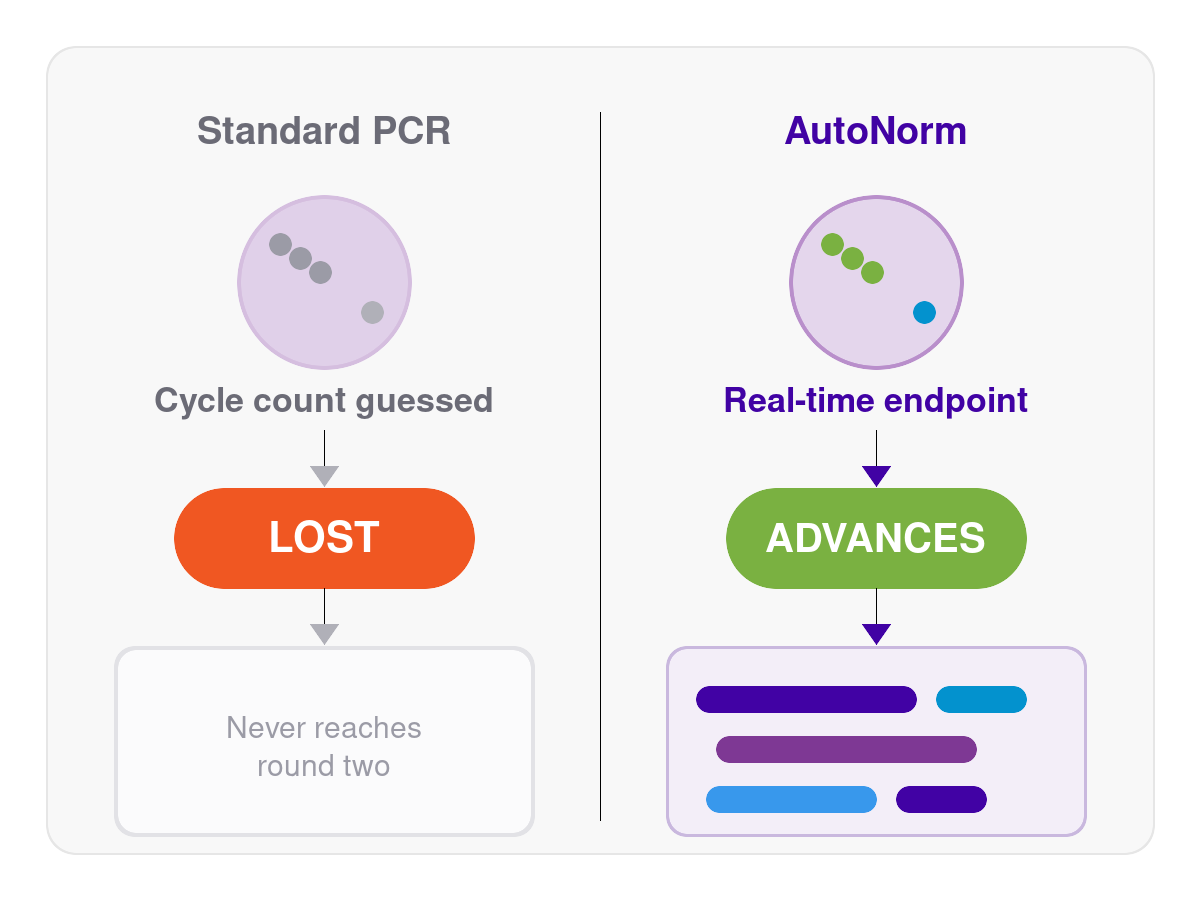
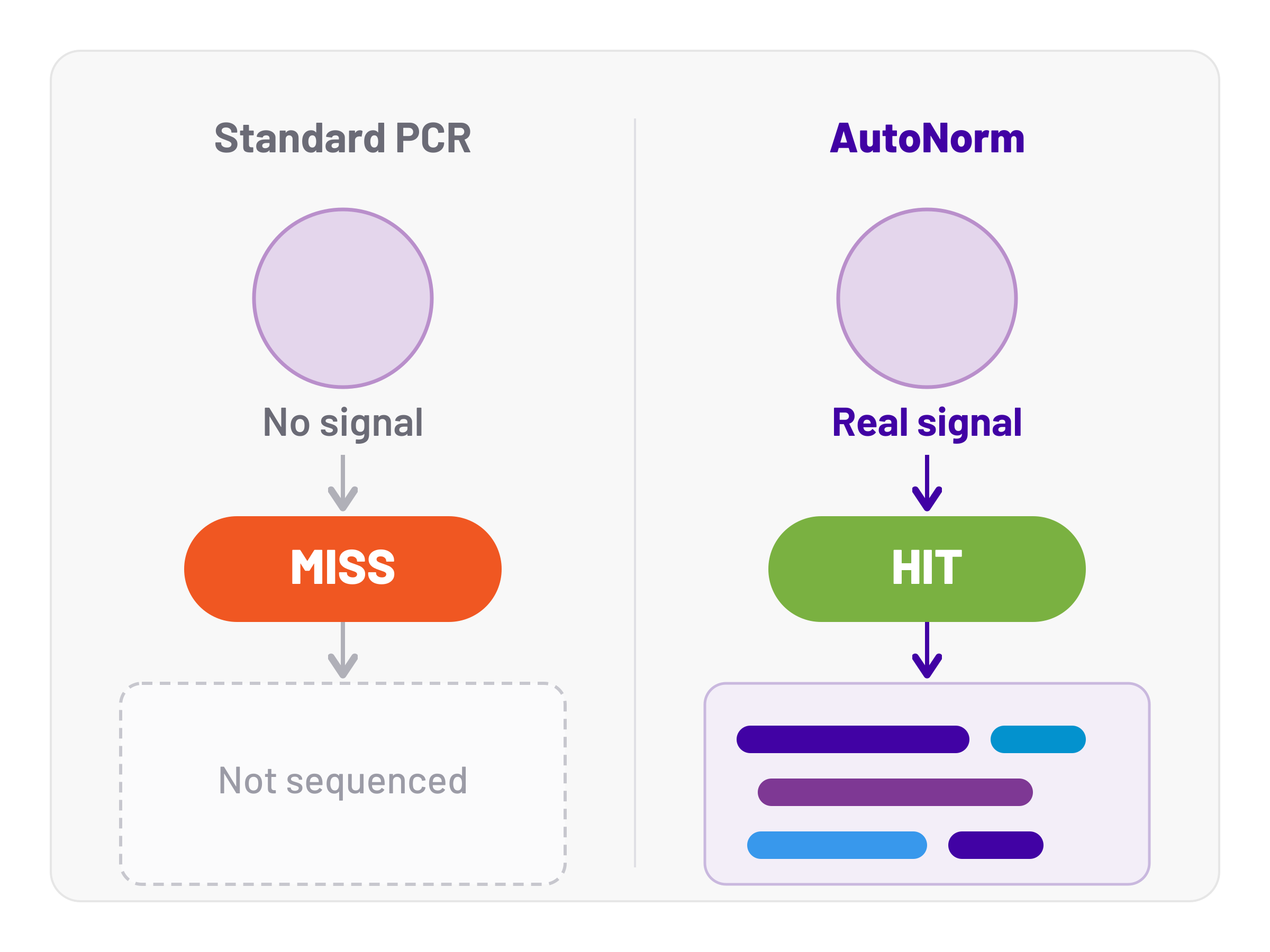
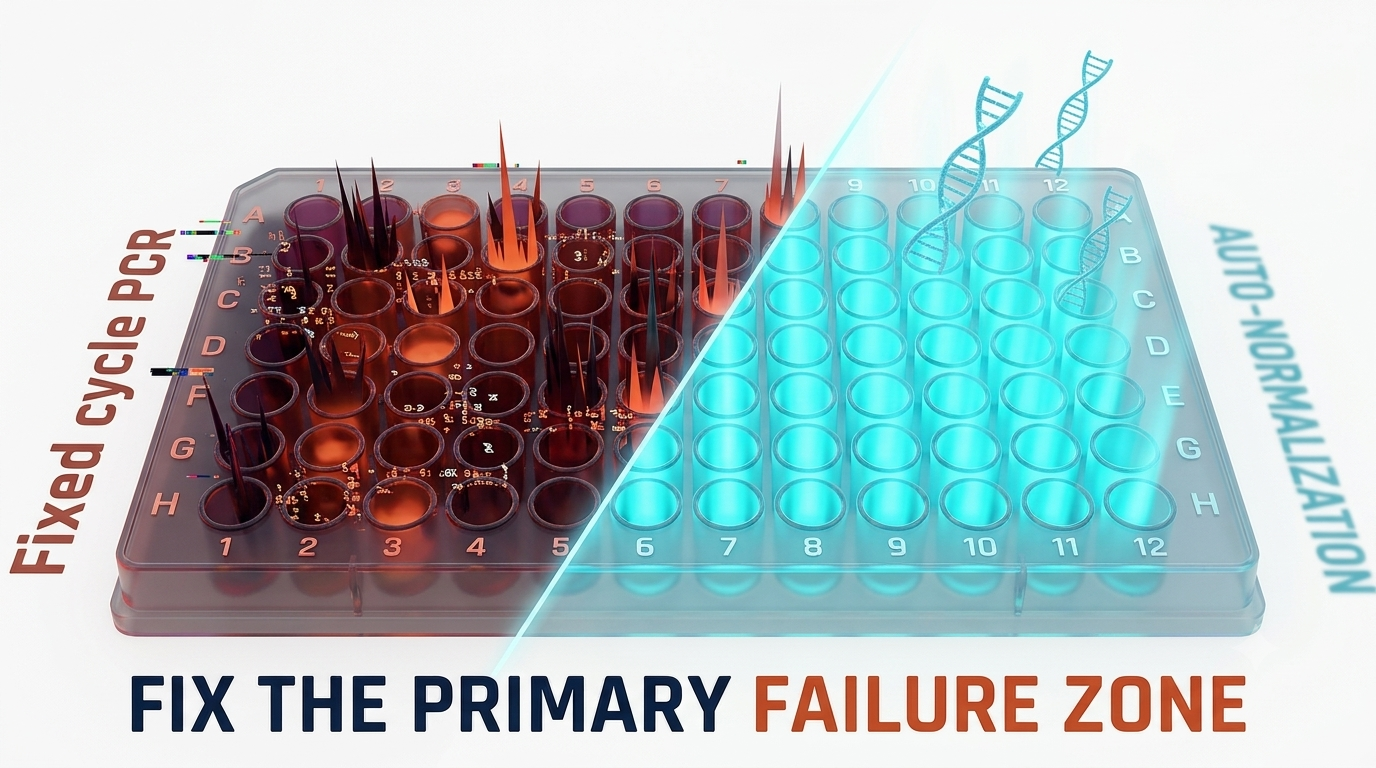
AutoNorm is n6's adaptive amplification technology built into every icon96 and icon16 instrument. Instead of running all samples through a fixed number of PCR cycles, AutoNorm continuously monitors real-time fluorescence in each individual well and stops amplification in that well once it reaches an empirically defined optimal endpoint. High-input samples reach that endpoint earlier; low-input samples continue cycling until they get there too. The result is a plate of naturally balanced libraries, produced during PCR itself, without manual quantification or normalization.
Why do different samples finish at different PCR cycle numbers with AutoNorm?
Is that a problem?
+
It is not a problem. It’s the scientifically correct outcome! AutoNorm stops each well at the same position on the amplification curve, which is the meaningful endpoint. Because samples differ in input amount,  quality, and amplification efficiency, they naturally reach that point at different cycles. Forcing all samples to stop at the same cycle number is the flawed approach: high-input samples over-amplify, low-input samples under-amplify, and fixed-cycle PCR obscures that variability rather than solving it.

Here is why per-well stopping is sound science:

Exponential kinetics: PCR doubles template each cycle. Two to three extra cycles can saturate a high-input library and drive up PCR duplicates, while stopping too early leaves a low-input library under-represented.

Well-specific endpoint detection: AutoNorm continuously monitors fluorescence per well. When a library reaches the target threshold that correlates with optimal library complexity and yield, that well stops while others continue.

Example: a 1 ng RNA sample may reach threshold at cycle 10, while a 100 pg RNA sample may require cycle 13. Both arrive at the same well-controlled amplification endpoint, reflecting biology rather than arbitrary cycle limits.
Do SYBR Green or other intercalating dyes interfere with downstream QC or sequencing?
+
No, intercalating dyes do not interfere with downstream QC or sequencing when standard library cleanup is performed. Residual dye can skew Qubit fluorometry readings if libraries are left unpurified, but standard bead or column cleanup removes SYBR Green, EvaGreen, and other intercalators entirely. After cleanup, QC tools like TapeStation and qPCR-based quantification perform normally, and sequencing quality and accuracy are unchanged. Intercalating dyes have been used in PCR for decades, and their use in AutoNorm-enabled instruments follows the same well-established principles. Your sequencing workflow is safe with n6!
How do I know how much DNA yield I will get without quantifying each library individually?
+
With AutoNorm, you set your target yield once using a simple calibration run, and the system hits that target automatically from then on. During a one-time "variable cycle run" with a few representative samples, the system shows you how yield maps to different positions on the amplification curve. Once that relationship is established, AutoNorm automatically stops each well at the cycle point that delivers the yield you specified. No per-library quantification is needed for routine runs.
Can AutoNorm handle very low-input samples like single-cell RNA-seq or spatial transcriptomics?
+
Yes. AutoNorm is particularly well-suited to low-input applications because it amplifies each sample to exactly the right level, avoiding both dropout from under-amplification and bias from over-amplification. Workflows like single-cell RNA-seq, spatial transcriptomics (e.g., 10x Visium, and cfDNA all benefit from this precise per-well control. The supported input range is the same on icon96 and icon16; only the number of samples processed at once differs.

 icon96 and icon16 Instruments

What is the difference between icon96 and icon16?
+
Both instruments run identical AutoNorm adaptive amplification technology and deliver the same performance. The difference is throughput and form factor. icon96 processes up to 96 samples per run using standard 96-well plates, while icon16 processes up to 16 samples per run using 2x8-well strips.
How do I choose between icon96 and icon16 for my lab?
+
The primary decision factor is your typical batch size. If your lab regularly processes large numbers of libraries per run, icon96 is the right fit. If your lab typically runs 16 or fewer samples per experiment, icon16 brings the same AutoNorm performance at the right scale without requiring full-plate batches.

Some labs use both: icon96 in a shared core for high-throughput work and icon16 as a dedicated instrument in individual research groups for smaller or on-demand experiments.
Does icon16 work with lab automation?
+
icon16 is better suited to manual workflows. The 2x8-well strip format and lower throughput make it less practical for automated liquid handling systems. For automated workflows, icon96 is the recommended instrument.
Why is icon16 blue?
+
Because it is the color of the sky, the ocean, full of positive energy and vibrant inspiration. And, most importantly, our CEO's favorite color.

Technical Capabilities

Can I run different assays on the same plate or strip?
+
Yes, when protocols are compatible. Each well in icon96 and icon16 operates independently, with its own thermal profile and fluorescence tracking. All wells share the same step timing, so assays with matching step durations can be run together in a single run. To discuss the compatibility of specific protocols, please contact your rep!
What NGS applications are icon96 and icon16 validated for?
+
Both instruments support a broad range of NGS library preparation workflows, including whole genome sequencing (WGS), bulk RNA-seq, single-cell RNA-seq, spatial transcriptomics, cfDNA, FFPE-derived samples, metagenomics and 16S rRNA sequencing, targeted oncology panels, and rare disease sequencing. Application notes and webinars for these workflows are available at n6tec.com/resources.
What sequencing platforms are icon96 and icon16 compatible with?
+
Both instruments are sequencer-agnostic. Libraries prepared with icon96 or icon16 are compatible with all major next-generation sequencing platforms, including Illumina, PacBio, Element Biosciences, and Ultima Genomics.

 Workflow and Compatibility

Can I pool libraries directly after a run on icon96 or icon16, or do I still need cleanup?
+
You can pool libraries directly after a run. Because AutoNorm produces balanced libraries during amplification, per-library quantification and normalization before pooling are not required. You still perform a single cleanup of the pooled sample before sequencing, which is both simpler and faster than cleaning up individual libraries separately.

Software and Data

Does the software require an internet connection?
+
No. Both icon96 and icon16 run fully offline. Internet access is only required when downloading software updates or accessing remote technical support.
Can data from icon96 and icon16 be exported for downstream analysis?
+
Yes. Amplification curves, cycle summaries, and raw data are exported in standard CSV format. The control software runs locally, and amplification data is also accessible through a browser-based interface. Data output formats are identical between icon96 and icon16, making reports directly comparable across both instruments.
Can icon16 be controlled using the same software as icon96?
+
Yes, icon16 uses the same software interface as icon96 (iconOS). Note that the original v1 software for first-generation instruments cannot be used to control icon16 and updated software is required.

Pricing and Procurement

Why is iconPCR priced higher than a standard real-time PCR machine?
+
Because icon96 and icon16 are not standard real-time PCR machines. A conventional qPCR instrument measures amplification. These instruments control amplification: they monitor each well independently in real time and stop each reaction at its individually optimal endpoint using AutoNorm. They are preparative instruments purpose-built for NGS library normalization, not general-purpose thermocyclers. The value is not in the hardware alone but in the elimination of quantification kits, normalization workflows, and downstream sequencing inefficiencies.
Where can I buy icon96 or icon16?
+
Both instruments are available directly through n6 and through a network of regional distributors covering Europe, Asia-Pacific, the Middle East, and more. For a full list of authorized distributors and country coverage, visit n6tec.com/distributors.

About n6 and the iconPCR Platform

What is iconPCR and what problem does it solve?
+
The iconPCR platform is the instrument family from n6 that brings AutoNorm adaptive amplification to NGS library preparation, available in two formats: icon96 and icon16. Traditional thermocyclers apply a fixed number of cycles to every sample regardless of input amount, quality, or complexity. This causes high-input samples to over-amplify and low-input samples to under-amplify, leading to uneven sequencing reads, PCR duplicates, library dropouts, and extensive downstream normalization work. AutoNorm eliminates this variability at the source, removing the need for post-PCR quantification and normalization in most workflows.
How does using icon96 or icon16 save money compared to traditional NGS library prep?
+
Both instruments save money by eliminating multiple reagent-heavy steps that labs use to compensate for amplification variability, including pre- and post-PCR quantification, individual library normalization, and multiple SPRI cleanups. On the sequencing side, optimally amplified libraries reduce wasted reads and the need for reruns. For medium-throughput labs running regular 96-sample batches, direct reagent and consumable savings can exceed $900 per batch before accounting for sequencing efficiency gains. Note: savings figures are based on n6's internal workflow models. Actual savings depend on workflow design, reagent pricing, and sequencing platform.
Why has nobody built this before?
+
Fixed-cycle PCR became the unquestioned standard in molecular biology because it worked well enough for the workflows of its era. The capability to monitor and control amplification at the individual well level in real time, and to stop each reaction independently at an empirically defined optimal endpoint, required miniaturizing thermocycling elements in a way that was not commercially realized before n6. We have many theories about why it took this long, and we are happy to debate them!

Still have questions?

Our application specialists are here to help you optimize your NGS workflow with iconPCR technology.

talk to an application specialist